*This content is brought to you by Brenthurst Wealth
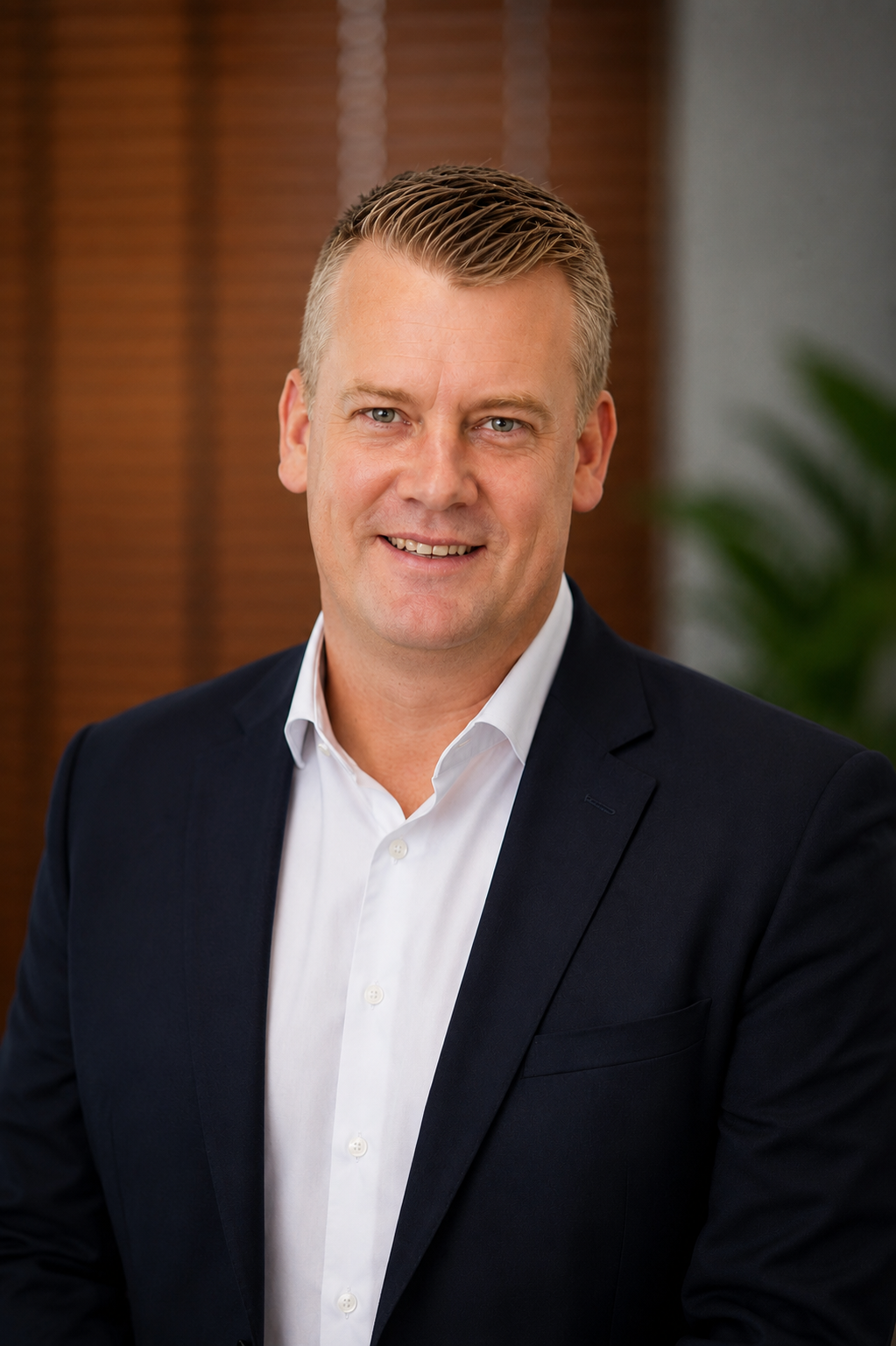
By André Basson*
After a very tough year for global investors in 2022, investors can easily feel negative or overwhelmed. The purpose of this article is to look at areas that look at what caused the downturn, and if this will be a permanent trend.
Looking at what went wrong in 2022:
Rampant inflation caused by:
- Printing money in the US: the US Fed injected an unprecedented amount of liquidity into markets prior to 2022 when Covid broke out. This helped the US consumer and avoided a recession but was also inflationary of nature.
- Lagging effects of Covid: global logistics was still in the process of recovering from Covid disruptions. If you can’t ship products around, and workers cant pitch up at factories, then products wont be on the shelves. This created a shortage of supply, pushing prices higher.
- Russian invasion of Ukraine – wars are mostly inflationary in the short term because they disrupt things. When Russia invaded Ukraine it pushed up the price of products supplied by both countries, this had a notable effect on the price of oil, gas, food and fertilizer.
Events that scared investors
- Reaction of the Fed – The US Fed needs to control inflation by increasing interest rates. This increases the cost to businesses and consumers. The issue was however that they hiked rates very aggressively, because inflation looked out of control at over 9% at a certain stage. If the Fed hikes rates too aggressively, they can push the US into a recession.
- High gas prices in Europe can cause a recession. Prices of gas in Europe, which is needed for manufacturing (especially in Germany) and heating for households, could push Europe into a deep recession. The main fear was that Europe could not cope without cheap Russian gas, which accounted to 40% of European gas consumption
- Geopolitics – the war in Ukraine was unexpected and nobody new if the war could cause a third world war. The idea of this is really scary and triggered a lot of investors to sell stocks and move to USD cash
- China continued with hard lockdowns – this was a significant drag on global economic growth: China is the second largest economy in the world and a significant portion of global GDP and still the factory of the world. If China continued with lockdowns whilst the rest of the global opens up, it could continue to flame inflation and risk a global recession
How do things stand today?
- US inflation has peaked and have come down significantly from about 9% to around 6%.
- Global logistics have largely sorted itself out, and products can move around freely after the Covid disruptions. This is good news for inflation and economic growth
- Europe has managed to get alternative sources of gas and will drive the switch to clean energy going forward. A warmer than expected winter has also been a big help, which helped push gas prices down to levels seen before the war.
- China has pivoted and opened up their economy. This is great news for emerging markets and global growth.
Risks that remain
- The war in Europe is still going on without knowing how it will end.
- Tension between China and Taiwan remains a long term risk to geopolitics
- Deglobalisation – in the aftermath of Covid and the war in Europe a lot of companies are moving production facilities away from China and closer to home. This is called “onshoring” and will also be inflationary.
- Wages in the US remain sticky and can be a risk to inflation, as there are about 4 job openings for every 1 applicant. Higher wages and deglobalization can cause “higher for longer” inflation, which is a trickier environment to invest
- SA risks: loadshedding, greylisting and politics are well known to locals. This remains a headwind for SA businesses and a risk to the ZAR
Also read: Use this two-pronged strategy when investing for your kids
Why I am positive about 2023
- The US consumer is still strong and can help avoid a deep US recession. Most analysts predict a short and shallow recession, which is normal after a steep interest rate hike (which will hurt the economy)
- Recessions are not the end of the world – historically there has been a global recession every 4 years, it is good medicine and cleans out “the excess” – meaning weak businesses goes under and good businesses gets leaner and stronger.
- Equity markets tend to rise significantly after a big sell-off. Historically you had great gains after the SP500 fell over 20% in the previous year.
- There is an enormous amount of money parked in cash deposits and money market which will come back into equity markets at some point. This can be a significant tailwind
- Inflation looks under control, but sticky. It is something that we can live with and adjust portfolios. A “higher for longer” scenario (talking to inflation and interest rates) is a fundamental shift in global markets and something investors need to consider. The point is that you can adapt.
- Valuations are cheap in certain places (Europe, Japan, UK and SA), and you can buy excellent businesses in the US at decent prices (Microsoft, Visa etc.). Buying great companies at decent valuations is a powerful combination.
The Bottom Line
I believe it is wise to control things which is my power to do so and avoid things I cannot. I don’t know when the war in Europe will end, or how. What I do know is that there will always be risks when you invest, the key is to diversify and leave your money to work for you. Staying invested, and creating a well-diversified portfolio are things a can control and do well.
The start of 2023 has seen a great pickup in equity markets globally, the points above may well help investors to stay invested and ride the wave higher when it comes.
- André Basson, CFP®, is head of Brenthurst Val de Vie.


 Megan joined the Brenthurst Wealth team in March 2026 as an Administrative and Fiduciary Services Assistant at our Val de Vie Office in the Western Cape. Prior to joining Brenthurst, Megan gained three years of experience in the retail sector, where she developed management and client service skills.


 I obtained my National Diploma in Financial Information Systems from the Cape Peninsula University of Technology in 1999 and have worked in the wealth management industry since January 2000. Over the years, I have gained extensive experience in various roles, including Portfolio Manager Assistant, Planner Assistant, and Paraplanner.
 Esmarelda Isaacs-Andreas joined the Brenthurst Wealth Stellenbosch office in October 2025, taking on the dual role of Receptionist and Fiduciary Administrator.
 I obtained my National Diploma in Financial Information Systems from the Cape Peninsula University of Technology in 1999 and have worked in the wealth management industry since January 2000. Over the years, I have gained extensive experience in various roles, including Portfolio Manager Assistant, Planner Assistant, and Paraplanner.

 Ashley joined Brenthurst Wealth in January 2025 as Office Administrative Assistant and Receptionist for the Stellenbosch Office.


 René Heystek joined Brenthurst Wealth in November 2023, as receptionist and administrative assistant in the newly established George/Garden Route office.

 Michelle Heystek has built a career in the financial services over the last two decades, after obtaining her B.Com degree in Financial Management in 2005. Once she joined Brenthurst in 2006, she continued her academic journey, obtaining her Certificate in Wealth Management from INSETA in 2007, followed by a Postgraduate Diploma in Financial Planning from the University of the Free State. In 2008, she earned the Certified Financial Planner (CFP®) designation.


 Anelle joined Brenthurst Wealth as a Receptionist and Administrative Assistant to Brian Butchart in the Cape Town office in December 2023. She has a wealth of knowledge from working as a liaison between Financial Advisers and clients at TMA and Absa Investment Management Services (Aims) since 1998. She obtained her B. com degree from the University of Port Elizabeth in 1997.


 ADMITTED ATTORNEY | FINANCIAL PLANNER & HEAD OF BRENTHURST FOURWAYS


 Sanet was appointed in April 2020, joining our Cape Town team as an Executive Administration Assistant to Renee Eagar. She has been in the financial services industry since 1990. Her previous experience includes positions at Sanlam, BJM and ABSA. She spent her last 12 years working at Alexander Forbes Private Client Wealth as a Senior Wealth Management Assistant. She has received numerous accolades over the years which include but not limited to, Alexander Forbes Client Service Excellence – Silver award in 2014,2015 and 2017. Sanet has also obtained her Certificate in Wealth Management (NQF 5) in 2012 and achieved “Best Student of the Year” from Moonstone.


 Maria Smit is a Certified Financial Planner® with over 10 years of experience in the financial planning industry.