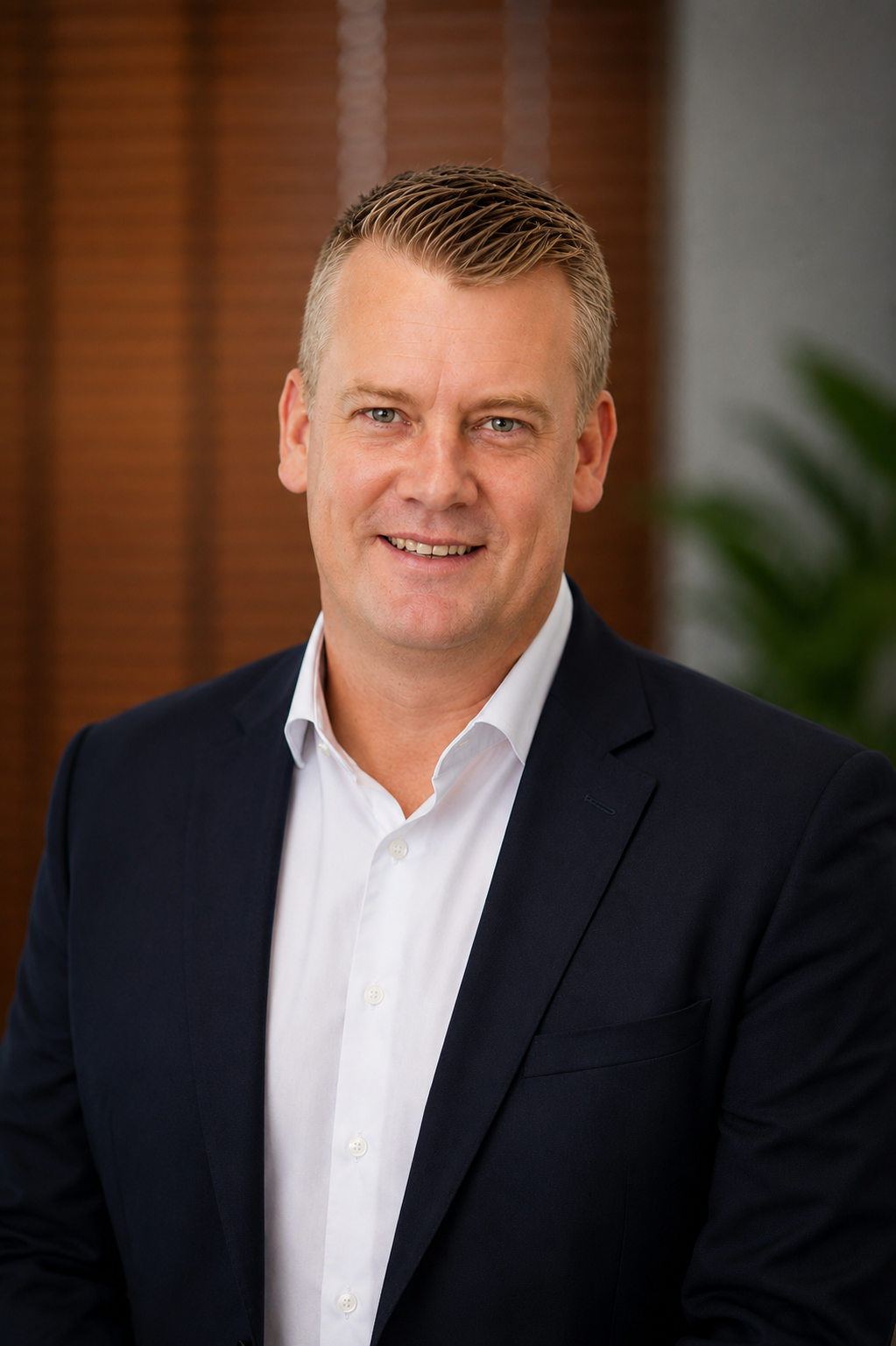
By Malissa Conlin*
Yet another shock rippled through the AI industry early in September when a software engineer from AI company Anthropic quit, claiming that the technology could wipe out humanity in the next 10 years.
As headlines about AI going rogue grow more frequent, they underscore the need for greater caution around the technology. Yet despite these risks, the convenience and easy access to knowledge it offers is very difficult to ignore.
So, I’m not here to tell you not to use AI or to stop using AI, but rather to touch on a hidden security gap that affects you whether you use AI or not. That’s because more of the companies that you’re dealing with are turning to AI to handle processes once handled by back-office.
At Brenthurst we do exactly that for certain non-critical, process-driven tasks, which are governed by tight rules.
The bottom line is that your exposure to AI risks are real, especially when vital personal information is fed into a company’s workflows powered by AI engines and agents.
What a responsible provider does
There are a few basic steps that all companies, especially in financial services, must have in place to ensure that your information is kept secure.
Firstly, a responsible financial services provider prescribes and controls the AI tools that staff are allowed to use. This is a simple IT governance principle that applies to all software that companies use when dealing with sensitive customer data.
Your name on its own is low risk. Add your account number or portfolio details, and the risk increases. A responsible provider treats that combination with real caution – not as business as usual.
So, no-one at a provider with strict AI protocols should be moving your documents onto a personal laptop or a personal AI account to get something done faster. If a task calls for AI, it must happen on tools the business has approved and controls, not their own account.
None of this is optional for a South African provider. The Protection of Personal Information Act gives you real rights over your own information. You are allowed to know what’s collected and why, to see it and have it corrected, to object to how it’s used. Under Section 71, which deals with automated decision-making, you can even object to a decision that’s been made entirely by a computer with no person involved.
At Brenthurst, we use approved AI tools with rules in place not to share any information with the AI provider. These tools are mainly used for checking policy wording and grammar, and to support training and non-confidential compliance content.
FICA records, banking details, complaints, and legal advice never go anywhere near it.
Brenthurst also has not and will never use AI to provide financial advice or make financial recommendations. AI may be a useful tool, but it should not replace professional advice or the judgement of a qualified adviser.
What to do yourself
I always urge clients to exercise caution about what information they hand over, especially in their own AI chats. Your ID number, banking details and full financial statements should never be shared, no matter how convenient it might seem at the time.
If you want a document summarised or a number checked, ask someone who’s actually accountable for getting it right.
Treat a confident-sounding answer from AI as exactly that – confident-sounding, not necessarily correct. It doesn’t know your full financial picture, your history, or what you’re actually trying to achieve, and it faces no consequences if it gets your situation wrong.
A simple test covers most of it: General questions and drafting are fine to hand to AI. But when it comes to your actual numbers, or a decision about your money, the human element still matters – it goes to a person instead.
It is also very important to be aware of potential consequences of entering private, confidential, or proprietary information into AI tools. Investors should be particularly careful not to upload personal financial information, legal documents, Wills, trust documents or any intellectual property belonging to themselves, their family, or another person/entity.
Once confidential information is entered into an external AI platform, there may be risks around privacy, confidentiality and how that information is stored or processed. In the case of someone else’s information or intellectual property, there could also be legal and confidentiality implications for sharing it without the necessary permission.
None of this means avoiding AI, and it doesn’t mean assuming the worst of the people managing your money. It means knowing what good practice looks like, so you can recognise it, whether it’s in a chatbot’s answer or in the provider you trust with your future.
* Malissa Conlin is a Director and the General Manager of Brenthurst Wealth, a qualified attorney, and Fiduciary Practitioner of South Africa® (a registered member of FISA)
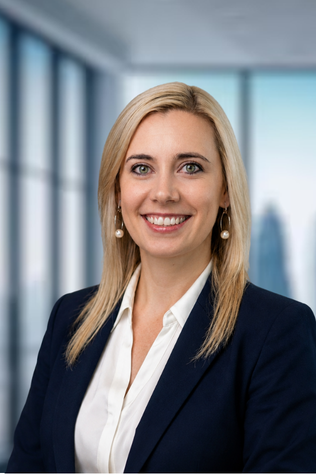


 Megan joined the Brenthurst Wealth team in March 2026 as an Administrative and Fiduciary Services Assistant at our Val de Vie Office in the Western Cape. Prior to joining Brenthurst, Megan gained three years of experience in the retail sector, where she developed management and client service skills.


 I obtained my National Diploma in Financial Information Systems from the Cape Peninsula University of Technology in 1999 and have worked in the wealth management industry since January 2000. Over the years, I have gained extensive experience in various roles, including Portfolio Manager Assistant, Planner Assistant, and Paraplanner.
 Esmarelda Isaacs-Andreas joined the Brenthurst Wealth Stellenbosch office in October 2025, taking on the dual role of Receptionist and Fiduciary Administrator.
 I obtained my National Diploma in Financial Information Systems from the Cape Peninsula University of Technology in 1999 and have worked in the wealth management industry since January 2000. Over the years, I have gained extensive experience in various roles, including Portfolio Manager Assistant, Planner Assistant, and Paraplanner.
 Ashley joined Brenthurst Wealth in January 2025 as Office Administrative Assistant and Receptionist for the Stellenbosch Office.


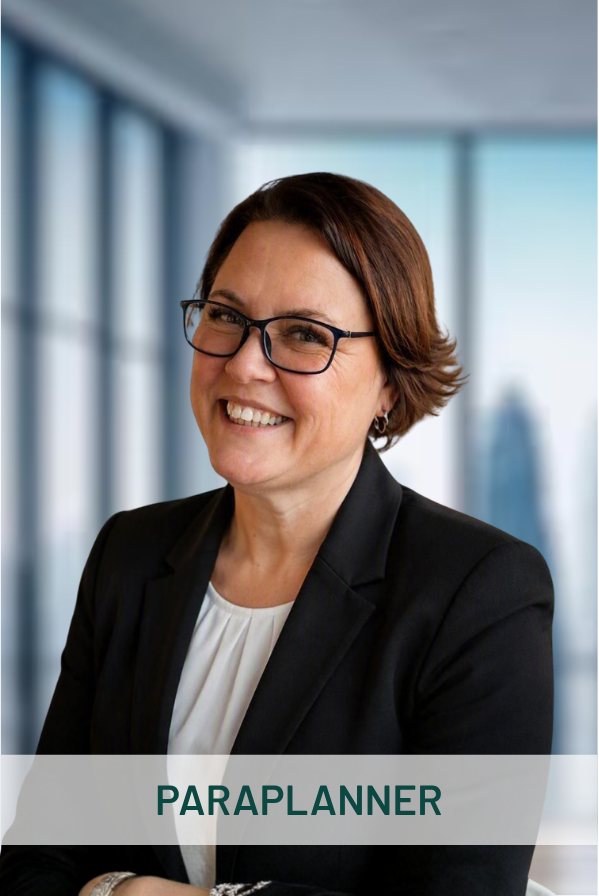
 René Heystek joined Brenthurst Wealth in November 2023, as receptionist and administrative assistant in the newly established George/Garden Route office.
 Michelle Heystek has built a career in the financial services over the last two decades, after obtaining her B.Com degree in Financial Management in 2005. Once she joined Brenthurst in 2006, she continued her academic journey, obtaining her Certificate in Wealth Management from INSETA in 2007, followed by a Postgraduate Diploma in Financial Planning from the University of the Free State. In 2008, she earned the Certified Financial Planner (CFP®) designation.


 Anelle joined Brenthurst Wealth as a Receptionist and Administrative Assistant to Brian Butchart in the Cape Town office in December 2023. She has a wealth of knowledge from working as a liaison between Financial Advisers and clients at TMA and Absa Investment Management Services (Aims) since 1998. She obtained her B. com degree from the University of Port Elizabeth in 1997.


 ADMITTED ATTORNEY | FINANCIAL PLANNER & HEAD OF BRENTHURST FOURWAYS

 Sanet was appointed in April 2020, joining our Cape Town team as an Executive Administration Assistant to Renee Eagar. She has been in the financial services industry since 1990. Her previous experience includes positions at Sanlam, BJM and ABSA. She spent her last 12 years working at Alexander Forbes Private Client Wealth as a Senior Wealth Management Assistant. She has received numerous accolades over the years which include but not limited to, Alexander Forbes Client Service Excellence – Silver award in 2014,2015 and 2017. Sanet has also obtained her Certificate in Wealth Management (NQF 5) in 2012 and achieved “Best Student of the Year” from Moonstone.


 Maria Smit is a Certified Financial Planner® with over 10 years of experience in the financial planning industry.