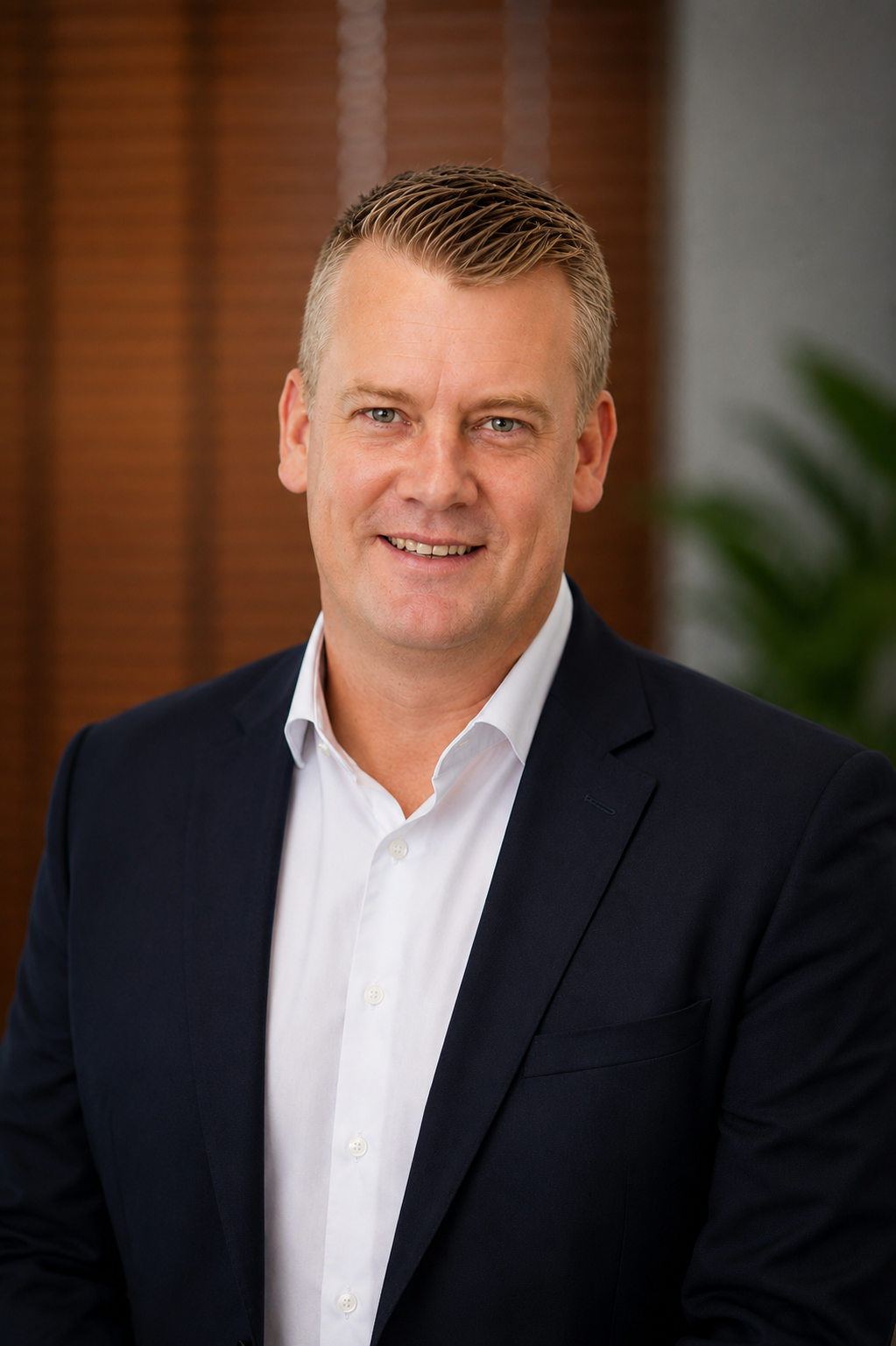
By Brian Butchart CFP® – Managing Director of Brenthurst Wealth
Everything we believe about retirement is fast becoming outdated. This is especially true regarding retirement savings and even wealthier retirees are likely to struggle if expenses are not carefully monitored and adjusted.
This fact requires completely new thinking around all retirement issues. For years the investment advisory community have urged people to save more for retirement and have amended projections for what individuals will need for financial security once they stop earning an income.
But the entire conversation around retirement needs to change, not only the savings topic. British media reported in September 2015 that the first person likely to live to 135 has already been born; based on the research about longevity and ageing by Danish professor Rudi Westendorp. It is well documented that more and more people are living to be a 100 years old. The days of this making news as it used to are long gone, but never before has the implications been more relevant.
This much longer life expectancy means it is unrealistic to stop working and earning an income at age 60 hoping that retirement savings will cover 40+ years of living. This with savings produced from only 35 years of working if one assumes a person starts his/her working life at about age 25 after completing some or other higher education qualification. Should the person live to 120 retiring at 60 means that savings are needed to cover expenses for 60 years!
Even in a low inflation environment it is unlikely that the average person will afford this. The financial advisory community reckons at current savings levels and not taking the longer life expectancy into account only 5% of South Africans will afford retirement.
Despite growing awareness about higher life expectancy and increased publicity around this, no discernible shift in thinking has developed around changing or at least reviewing the retirement age of 60/65 set in the 20th century. It has been amended in some European countries but not significantly.
Employers are hesitant to retain employees beyond the current retirement age, claiming such employees are ‘expensive’ and need to make way for the younger generation who possibly will have more up to date skills for the modern economy. This ‘ageism’ is well documented in many media reports and confirmed by local recruitment companies. The fact that youth unemployment is a serious issue in South Africa exacerbates ageism towards older employees.
Numerous examples exist that ‘’older’’ does not mean out of touch or not in tune with the new world of business so dominated by technology. American talk show superstar Ellen DeGeneres is 57 and continues to expand her empire with new companies and extensions of her brand. This, for instance, includes ‘EllenTube’, a channel dedicated to content developed by her and her team similar to the globally successful YouTube channel. No person will consider Ellen as someone who is behind the times. There are many examples of people being relevant and adding value beyond age 50. For example, in South Africa, Jannie Mouton launched the incredibly successful PSG group of companies just shy of his 50th birthday and is now one of the wealthiest individuals in the country.
Because of the estimated longer life span of individuals, 60 REALLY IS THE NEW 40 but it is going to take a considerable amount of time before attitudes towards people older than 50 or 60 will change.
This means financial planning, especially for retirement, is more important than ever and whatever investors believed to be ‘enough’ is outdated. Saving 20% of income from the first day of work may have supported a comfortable retirement for a life expectancy of around 70 for men and 75/80 for women. This will not be enough for a life expectancy of 100 and beyond.
KEY FACTORS TO CONSIDER:
– Start saving more immediately and seek professional financial planning advice.
– Change lifestyle habits that affect spending. The more extravagant the lifestyle the more retirement capital will be required to fund this.
– Start projecting how long capital will last at retirement, based on your specific income requirements, ad hoc expenses and personal financial expectations so as to formulate an investment plan as to how you can achieve your desired lifestyle at retirement without running out of capital before your demise.
– Continually adjust asset allocation of investments before and after retirement with the objective of maximising growth and limiting loss. Being too aggressive as well as too conservative before and after retirement can be detrimental to the outcomes and success of achieving your ideal retirement lifestyle.
– If you are a woman your savings need to be increased even more. Bloomberg.com reported that the retirement savings of the average woman in the USA is (on average) $250 000 short because of the number of years they are likely to outlive men.
– Refrain from adjusting income levels upwards in retirement during years of strong growth, rather keep your income level as a fixed percentage which will automatically increase due to the increased capital value. Better still, decrease the percentage after strong growth in order to preserve the excess growth for leaner years. The worst destroyer of retirement capital is using or spending higher income levels in a lower return environment. This should be actively managed and adjusted.
– Work as long as possible. Retirement age of 55, 60 or 65 is no longer applicable if you are likely to live 30 to 40 years or more after that age which it would seem will increase over time. If you cannot remain in formal employment start making plans for alternative income earning possibilities before you retire from formal employment.
– Speak to a professional financial advisor to regularly review your income levels, asset allocation, performance and impact on capital to ensure that your capital will outlast you as you are likely to live longer than you currently imagine.
LIFESTYLE TRAITS SECURING A LONGER LIFE:
NATURAL MOVEMENT
People in communities where, according to a recent extensive research report, people are living longer did not join health clubs or ran marathons. Instead, they led an active lifestyle – walked to a friend’s house, church, restaurants and to the grocery store. Their houses also didn’t have the conveniences modern homes are used to like remote controls.
TECHNIQUES TO REDUCE STRESS
People all around the world have the same worries – money, their health and their children. The only difference is that in the researched older communities, people had adopted simple techniques to help reduce chronic inflammation that is associated with old age-related diseases. They hike, pray and in some places celebrate happy hour.
MODERATE WINE INTAKE
The research suggests two glasses of wine per day can help you live a longer life. The older communities researched had a strong sense of faith. The report suggests people that go to church at least four times a month live four to 14 years longer than people who don’t.
THE 80% RULE
Eat less. In Okinawa in Japan, people start their meal with the same three words: “Hara hachi bu”. It means they will only eat until they are 80% full. When they start their meal, they already focus on not overeating and have techniques set up to reinforce it.
PLANT-BASED DIET
About 90% of the diet of the Okinawans is plant-based. It also includes a fair amount of carbohydrates and starch, containing grains and sweet potatoes. The cornerstone of every longevity diet is beans – a great source of protein. These populations tend to eat meat less than five times a month and eat fish less than three times a week. They drink water, tea, coffee and wine.
FAMILY AND LOVED ONES FIRST
The foundation that holds everything together is connection. People in the older populations put their family first and as people get older they are still surrounded by their loved ones. They also tend to stay married – people who are married generally live longer than people who are not.
A HEALTHY SOCIAL NETWORK
Friends are also an important part of the equation. The study suggests that if your three best friends smoke, drink too much or are depressed, unhappy or obese you are much more likely to engage in these activities or be caught up in unhealthy behaviour as well. It is not only important to have a network that is reinforcing healthy behaviour, but also to be able to pick up the phone on a bad day and to have a friend that will listen.
STRONG SENSE OF PURPOSE
The two most dangerous years in your life is the year you are born and the year you retire. A person is 30% more likely to die in the year he or she retires than during their last year of work, not because they take up risky activities, but because they have lost their sense of purpose.
SMART TIP
As the 2016 tax year comes to a close, a reminder to contribute into your RETIREMENT ANNUITIES AND TAX FREE SAVINGS ACCOUNT – DEADLINE 29TH FEBRUARY 2016. RA investments offer great tax benefits and, of course, remain a popular and trusted instrument for saving for retirement. A TAX-FREE SAVINGS ACCOUNT is a savings product that offers individuals tax savings benefits. If you choose to save through such a product, you benefit from not having your savings taxed. This is an ideal savings product for children’s education or even to supplement a retirement nest-egg. For more information about the tax benefits of contributions to retirement products, listen to Brenthurst Managing Director, Brian Butchart, in conversation with Lindsay Williams on Fine Music Radio.
https://www.bwm.co.za/index.php/press-room/audio-clips/
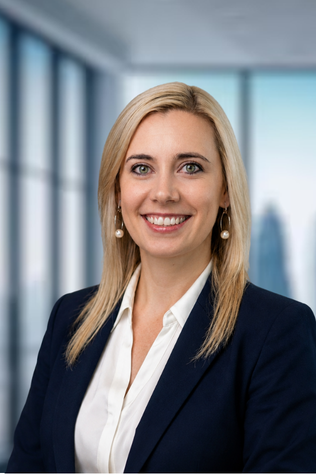


 Megan joined the Brenthurst Wealth team in March 2026 as an Administrative and Fiduciary Services Assistant at our Val de Vie Office in the Western Cape. Prior to joining Brenthurst, Megan gained three years of experience in the retail sector, where she developed management and client service skills.


 I obtained my National Diploma in Financial Information Systems from the Cape Peninsula University of Technology in 1999 and have worked in the wealth management industry since January 2000. Over the years, I have gained extensive experience in various roles, including Portfolio Manager Assistant, Planner Assistant, and Paraplanner.
 Esmarelda Isaacs-Andreas joined the Brenthurst Wealth Stellenbosch office in October 2025, taking on the dual role of Receptionist and Fiduciary Administrator.
 I obtained my National Diploma in Financial Information Systems from the Cape Peninsula University of Technology in 1999 and have worked in the wealth management industry since January 2000. Over the years, I have gained extensive experience in various roles, including Portfolio Manager Assistant, Planner Assistant, and Paraplanner.
 Ashley joined Brenthurst Wealth in January 2025 as Office Administrative Assistant and Receptionist for the Stellenbosch Office.


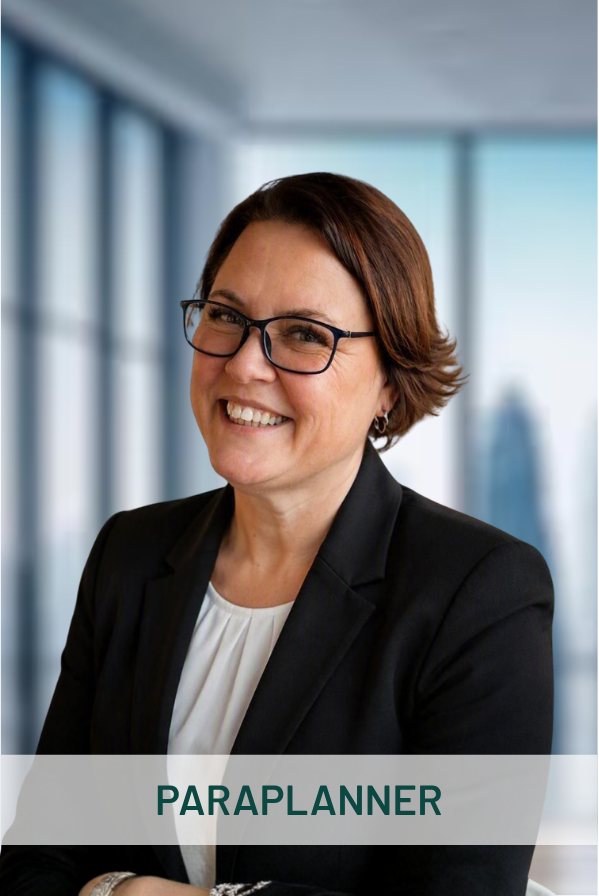
 René Heystek joined Brenthurst Wealth in November 2023, as receptionist and administrative assistant in the newly established George/Garden Route office.
 Michelle Heystek has built a career in the financial services over the last two decades, after obtaining her B.Com degree in Financial Management in 2005. Once she joined Brenthurst in 2006, she continued her academic journey, obtaining her Certificate in Wealth Management from INSETA in 2007, followed by a Postgraduate Diploma in Financial Planning from the University of the Free State. In 2008, she earned the Certified Financial Planner (CFP®) designation.


 Anelle joined Brenthurst Wealth as a Receptionist and Administrative Assistant to Brian Butchart in the Cape Town office in December 2023. She has a wealth of knowledge from working as a liaison between Financial Advisers and clients at TMA and Absa Investment Management Services (Aims) since 1998. She obtained her B. com degree from the University of Port Elizabeth in 1997.


 ADMITTED ATTORNEY | FINANCIAL PLANNER & HEAD OF BRENTHURST FOURWAYS

 Sanet was appointed in April 2020, joining our Cape Town team as an Executive Administration Assistant to Renee Eagar. She has been in the financial services industry since 1990. Her previous experience includes positions at Sanlam, BJM and ABSA. She spent her last 12 years working at Alexander Forbes Private Client Wealth as a Senior Wealth Management Assistant. She has received numerous accolades over the years which include but not limited to, Alexander Forbes Client Service Excellence – Silver award in 2014,2015 and 2017. Sanet has also obtained her Certificate in Wealth Management (NQF 5) in 2012 and achieved “Best Student of the Year” from Moonstone.


 Maria Smit is a Certified Financial Planner® with over 10 years of experience in the financial planning industry.