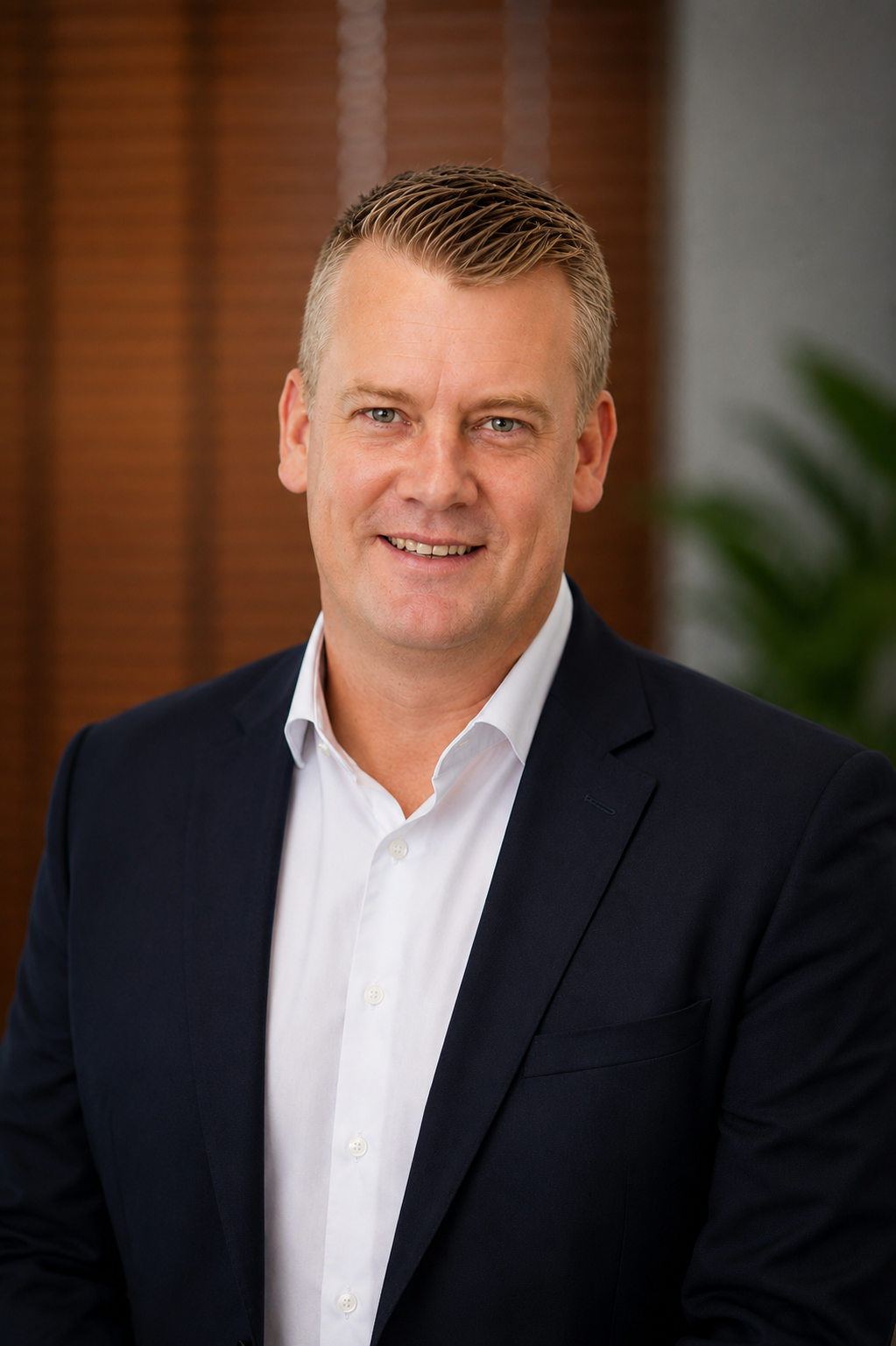
By Kim Doolan*
As an investor, one of your goals is to retain as much of your hard-earned capital appreciation as possible.
When you dispose of an asset (events such as sale, donation, emigration, vesting of an asset in a trust beneficiary or death), you may realise a capital gain that becomes part of your taxable income.
Key features of capital gains tax (CGT) for individuals:
- Inclusion rate – 40% of the net capital gain realised is included in taxable income.
- Effective rate – Depending on your marginal income tax bracket, the maximum effective CGT rate is 18%.
- Annual exclusion – The first R40 000 of capital gains each year is not subject to tax, on death this increases to R300 000.
- Spousal rollover – assets bequeathed to a South African resident surviving spouse are rolled over tax free, deferring CGT until the spouse’s subsequent disposal or death.
- Primary residence exclusion – The first R2 million of the net capital gain on your primary residence is exempt from tax.
- Retirement funds and most personal use assets and are excluded from CGT.
- Small business relief – Individuals over 55 disposing of a qualifying small business (market value not exceeding R10 million) may claim an exclusion of up to R1.8 million.
Ten practical CGT planning strategies
- Time and structure disposals using the R40 000 annual exclusion strategically.
- Where feasible, spread disposals across tax years to avoid higher marginal rate clustering.
- If your income will fall in future, for example post-retirement, defer disposals until your marginal rate and thus effective CGT rate is lower.
- The capital gain is the difference between the selling price or market value at the time of disposal less the base cost. Good record keeping of expenses such as acquisition costs, legal fees and qualifying capital improvements will go a long way to reducing your taxable capital gain.
- Capital losses can be offset against capital gains in the same or future years. Ensure that your SARS assessment correctly reflects the assessed capital loss carried forward to the following tax year.
- Consider Maximising your tax-free savings account, capital growth within this investment structure is exempt from tax.
- Note that the primary residence exemption is apportioned if the house is only used as a primary residence for part of the time it was owned.
- Consider the use of trusts and holding companies to reduce CGT exposure.
- Make provision for your CGT in your planning, don’t postpone realising your gains or making an important strategic change to your investments to avoid CGT.
- Determine whether your assets held in the United States (US) or United Kingdom (UK) are subject to estate or inheritance tax in those countries, often referred to as situs tax.
Situs tax assets: why it matters
The situs of an asset is generally the place where the asset is deemed to be located for legal purposes. As a South African tax resident, you are subject to tax in South Africa on your worldwide assets. When foreign situs assets are owned, you could potentially be liable for taxes in these jurisdictions, even if you are not considered tax resident there.
The United States (US) for example imposes estate (situs) tax on certain US situated assets held by non-residents at death, with a very low exemption threshold of just USD 60 000. US situated shares and assets held directly in your name, may attract US estate tax up to 40% on the value exceeding USD 60 000.
Looking ahead
CGT planning is about structure, timing, and foresight, both domestically and internationally. A portfolio that is well diversified geographically may inadvertently be inefficient tax wise.
Investors are advised to regularly review both local and offshore assets from a CGT and estate planning perspective as well as to seek professional advice quantify CGT and possible situs tax exposure before major events such as emigration, repatriation, or death.
*Kim Doolan is a tax practitioner at Brenthurst Wealth and is based in Paarl.


 Megan joined the Brenthurst Wealth team in March 2026 as an Administrative and Fiduciary Services Assistant at our Val de Vie Office in the Western Cape. Prior to joining Brenthurst, Megan gained three years of experience in the retail sector, where she developed management and client service skills.


 I obtained my National Diploma in Financial Information Systems from the Cape Peninsula University of Technology in 1999 and have worked in the wealth management industry since January 2000. Over the years, I have gained extensive experience in various roles, including Portfolio Manager Assistant, Planner Assistant, and Paraplanner.
 Esmarelda Isaacs-Andreas joined the Brenthurst Wealth Stellenbosch office in October 2025, taking on the dual role of Receptionist and Fiduciary Administrator.
 I obtained my National Diploma in Financial Information Systems from the Cape Peninsula University of Technology in 1999 and have worked in the wealth management industry since January 2000. Over the years, I have gained extensive experience in various roles, including Portfolio Manager Assistant, Planner Assistant, and Paraplanner.
 Ashley joined Brenthurst Wealth in January 2025 as Office Administrative Assistant and Receptionist for the Stellenbosch Office.


 René Heystek joined Brenthurst Wealth in November 2023, as receptionist and administrative assistant in the newly established George/Garden Route office.
 Michelle Heystek has built a career in the financial services over the last two decades, after obtaining her B.Com degree in Financial Management in 2005. Once she joined Brenthurst in 2006, she continued her academic journey, obtaining her Certificate in Wealth Management from INSETA in 2007, followed by a Postgraduate Diploma in Financial Planning from the University of the Free State. In 2008, she earned the Certified Financial Planner (CFP®) designation.


 Anelle joined Brenthurst Wealth as a Receptionist and Administrative Assistant to Brian Butchart in the Cape Town office in December 2023. She has a wealth of knowledge from working as a liaison between Financial Advisers and clients at TMA and Absa Investment Management Services (Aims) since 1998. She obtained her B. com degree from the University of Port Elizabeth in 1997.


 ADMITTED ATTORNEY | FINANCIAL PLANNER & HEAD OF BRENTHURST FOURWAYS

 Sanet was appointed in April 2020, joining our Cape Town team as an Executive Administration Assistant to Renee Eagar. She has been in the financial services industry since 1990. Her previous experience includes positions at Sanlam, BJM and ABSA. She spent her last 12 years working at Alexander Forbes Private Client Wealth as a Senior Wealth Management Assistant. She has received numerous accolades over the years which include but not limited to, Alexander Forbes Client Service Excellence – Silver award in 2014,2015 and 2017. Sanet has also obtained her Certificate in Wealth Management (NQF 5) in 2012 and achieved “Best Student of the Year” from Moonstone.


 Maria Smit is a Certified Financial Planner® with over 10 years of experience in the financial planning industry.