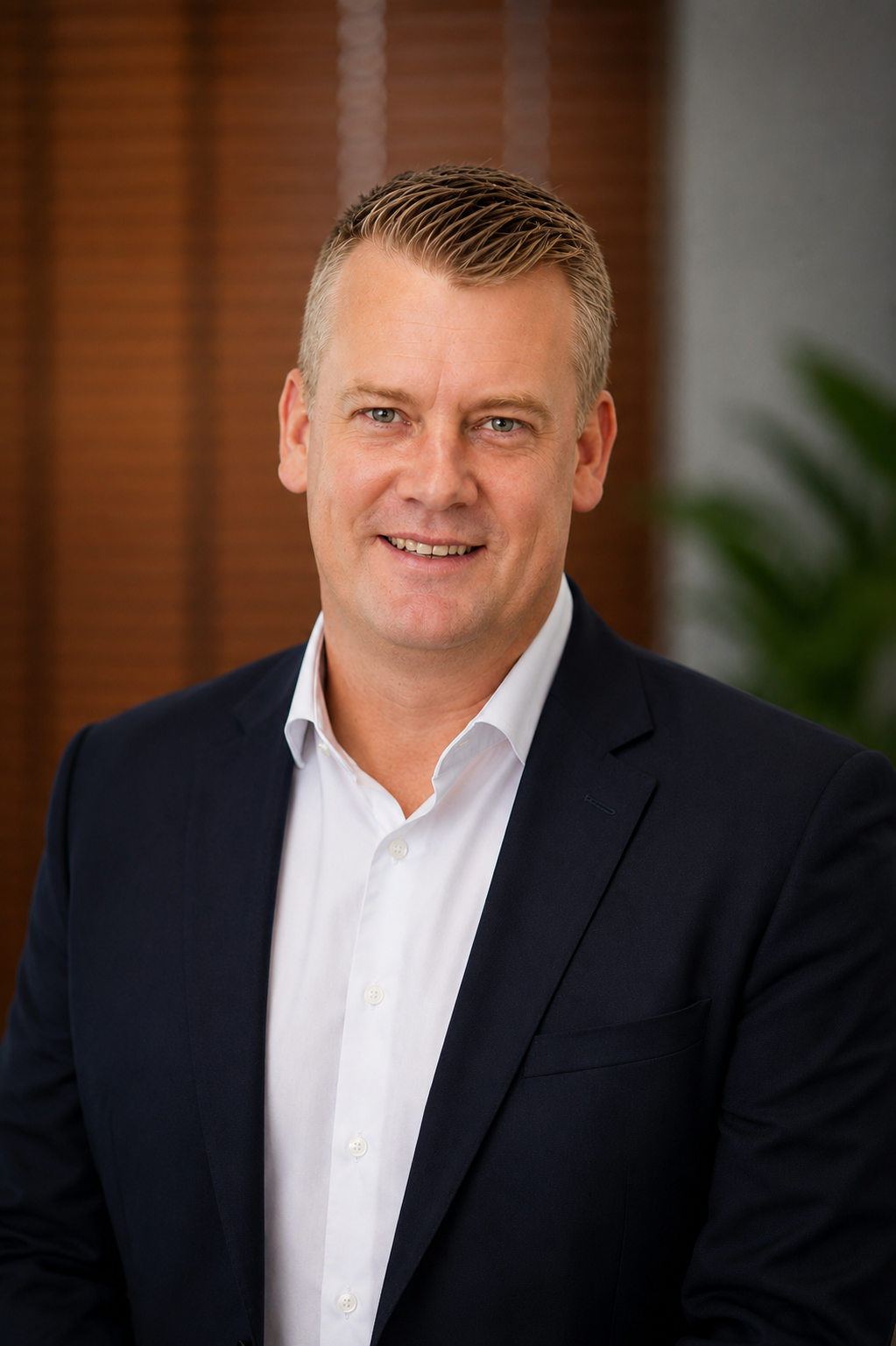
Independent financial advisor Magnus Heystek, a long-time advocate of offshore investing, is back in top form after his clients’ portfolios have rocketed over the past few weeks, as the South African rand fell sharply. In this podcasted interview with Alec Hogg of BizNews.com, the founder of Brenthurst Wealth unpacks reasons for the currency’s plunge – and warns it may not be over. He also shares advice on what to do next and takes a swing at SA’s financial sector, where comparison by fund managers between themselves is outlawed, leaving many of their clients unwittingly supporting poor performers.
Magnus Heystek on a possible missed opportunity to take money offshore when the rand was at 14 or 15
If you look at what’s happening both to the Rand and Mauritian properties, they’ve both escalated and it’s becoming almost unaffordable for many, many South Africans, unless they are super wealthy. So that’s just unfortunately one of the effects. There are other ways to retire in Mauritius without buying property, but the property route is closing very rapidly, purely because people say, yes, that’s expensive. You can retire on a retirement permit or occupational permit, but the property route is closing. The process of galloping, there’s very little to buy, and another three or four crashes has added another dimension to it.
On Piet Viljoen and if the change in the rand in past weeks has transformed an investor’s picture
Dramatically I mean, as you point out, the first six months reporting was a very good time for Piet and his portfolio and a very poor one for me. And I tracked these things and the situation has recovered fairly dramatically. It’s like a horse that starts out of the stalls slightly behind the leader. But now you’re two innings behind the leader. So there’s been a sea change in the relative performance between SA and your offshore funds. In fact, I’m amazed how quickly it has happened, but it’s like a 20% swing in relative performance. First of all, you had the rand weakening from 1440 to 1725 and also Piet’s funds started dropping on the basis of the commodity cycle. So Piet’s fund has dropped in rand terms and in dollar terms at the same time, whereas the offshore funds are starting to recover and other end also – suddenly offshore funds are gapping again. And you know, it’s quite dramatic how quickly it can turn around.
On the reason behind the dollar strength and rand weakness
First of all, it’s a dollar story. It’s not only in retrospect, it’s not only South Africa, but we’re in that emerging market basket and we’re being slaughtered alongside Hungary and the Philippines and even South Korea. And it’s just dollar, dollar, dollar strength. So that’s the first factor fund managers are getting out of emerging markets, including ours. And they tend to choose the weaker, fragile fund managers when that happens. And that’s exactly what’s happening. So you have the dollar strength plus the potential for rising interest rates in the US and then lastly, the potential for a recession in the US. And there is a danger when people say: is the rand drop over? I say, I don’t know. But if you look at history, when the US goes into a recession, commodities collapse and the South African currency collapses with it so the currency can go. I’m not saying it will. It can go as low as 19, even 20 in the next year and a half if the US goes into a recession. There’s no finality on that issue yet but it looks that way. And then of course the local factors also suddenly regain prominence, like the Eskom situation that really has added a little, you know, extra dimension of negativity to South Africa, with big investors saying, well, there’s a country that’s within hours of a total collapse of the grid. Let’s just get out of there just in case.
On being better informed rather than listening to somebody with an agenda or vested interest
If you go back in time, 20 or 25 years ago, offshore investing was illegal. and since then, there’s been a massive, massive switch to offshore investing. And one thing I’m sure this graph shows clearly is that South African investors now have more money offshore than local foreign investors have in South Africa. So the smart longer term investors have externalised a very large percentage of their liquid assets by now. Therefore, they need to follow Bloomberg they need to read the Wall Street Journal, via BizNews, of course, and they need to be up to date with what’s going on, because the world out there is so much bigger and the opportunities are so much bigger, as you see in the returns of the offshore portfolio. Those are the returns that the investors have had. And now here comes a situation which you might want to pick up one day. Local fund managers, offshore fund managers may not compare returns. They may not do it publicly. They may not name company A versus B, it’s up to the press and independent commentators like ourselves. We can compare it, but by some regulation, fund managers may not compare their returns to other funds.
On the future and if he’s advising clients to take more money offshore or just sit tight
I think it is a dilemma for us now. A currency that crashes or any instrument that rises or drops so quickly in such a short space of time runs the risk of clawing back some of its losses. And that may happen from today onwards. We don’t know. But you weigh up against the longer term objectives, what do you intend doing with your money? Are you buying other assets on the other side? How much money have you got? It’s a long process. And in many cases we tell people, look, if you have let’s say you got 5 million to invest, we buy a million today, 5 million a week or two later or a month later and try and get it right. But you’ll never get it absolutely spot on. I always say if you have the cash to buy a dollar investment, buy it. Because remember, you also try to time the rand and you try to time the offshore assets or whatever it might be, let’s say the US stock market, and you try to get it corrected both ways. The rand and the offshore market. Impossible, impossible. We tend to say if you buy, buy now because you’re buying something cheaper on the other side.
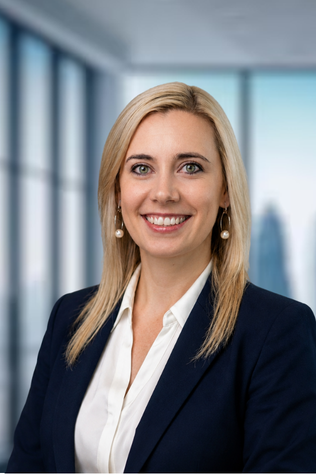


 Megan joined the Brenthurst Wealth team in March 2026 as an Administrative and Fiduciary Services Assistant at our Val de Vie Office in the Western Cape. Prior to joining Brenthurst, Megan gained three years of experience in the retail sector, where she developed management and client service skills.


 I obtained my National Diploma in Financial Information Systems from the Cape Peninsula University of Technology in 1999 and have worked in the wealth management industry since January 2000. Over the years, I have gained extensive experience in various roles, including Portfolio Manager Assistant, Planner Assistant, and Paraplanner.
 Esmarelda Isaacs-Andreas joined the Brenthurst Wealth Stellenbosch office in October 2025, taking on the dual role of Receptionist and Fiduciary Administrator.
 I obtained my National Diploma in Financial Information Systems from the Cape Peninsula University of Technology in 1999 and have worked in the wealth management industry since January 2000. Over the years, I have gained extensive experience in various roles, including Portfolio Manager Assistant, Planner Assistant, and Paraplanner.
 Ashley joined Brenthurst Wealth in January 2025 as Office Administrative Assistant and Receptionist for the Stellenbosch Office.


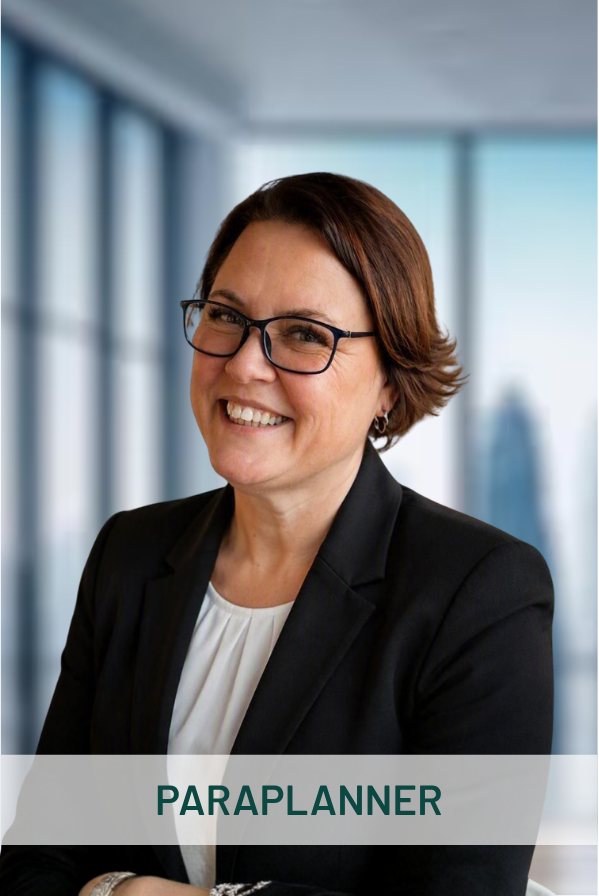
 René Heystek joined Brenthurst Wealth in November 2023, as receptionist and administrative assistant in the newly established George/Garden Route office.
 Michelle Heystek has built a career in the financial services over the last two decades, after obtaining her B.Com degree in Financial Management in 2005. Once she joined Brenthurst in 2006, she continued her academic journey, obtaining her Certificate in Wealth Management from INSETA in 2007, followed by a Postgraduate Diploma in Financial Planning from the University of the Free State. In 2008, she earned the Certified Financial Planner (CFP®) designation.


 Anelle joined Brenthurst Wealth as a Receptionist and Administrative Assistant to Brian Butchart in the Cape Town office in December 2023. She has a wealth of knowledge from working as a liaison between Financial Advisers and clients at TMA and Absa Investment Management Services (Aims) since 1998. She obtained her B. com degree from the University of Port Elizabeth in 1997.


 ADMITTED ATTORNEY | FINANCIAL PLANNER & HEAD OF BRENTHURST FOURWAYS

 Sanet was appointed in April 2020, joining our Cape Town team as an Executive Administration Assistant to Renee Eagar. She has been in the financial services industry since 1990. Her previous experience includes positions at Sanlam, BJM and ABSA. She spent her last 12 years working at Alexander Forbes Private Client Wealth as a Senior Wealth Management Assistant. She has received numerous accolades over the years which include but not limited to, Alexander Forbes Client Service Excellence – Silver award in 2014,2015 and 2017. Sanet has also obtained her Certificate in Wealth Management (NQF 5) in 2012 and achieved “Best Student of the Year” from Moonstone.


 Maria Smit is a Certified Financial Planner® with over 10 years of experience in the financial planning industry.