*This content is brought to you by Brenthurst Wealth
By Iniel van Zyl*
In 2018, one of the largest Bitcoin scams to hit South Africa prompted MyBroadband to lead with an article that headlined, “You should have seen that BTC Global was a scam from a mile away”. The Hawks reported that over 50 million US dollars was lost in this scam – with South Africans each losing between R16 000 and R1.4m. Millions that could have been saved with vigilant and assiduous background research.

Fast track to three years later and unassuming, desperate investors are still trusting sophisticated investment fraudsters and losing their hard-earned savings to illegal unregulated investments in the hope of making a quick fortune to support them during challenging economic times. Just last year the Crowd1 scheme made news headlines and was the topic of a BBC documentary of how people were misled.
The BTC ordeal alone nabbed over 27 000 victims from South Africa, Australia and the USA. More recently, Africrypt, the Relative Value Arbitrage Fund (RVAF), Mirror Trading International, Madoff and Hamilton have been in the news for all the wrong reasons. The reality is that cryptocurrency scams are evolving and becoming more difficult to identify as scamsters are becoming more sophisticated and even more relentless in their pursuits.
What exactly is an unregulated investment?
Unregulated investments take the form of alternative investments such as hedge funds or unapproved collective investment schemes. Law Insider defines unregulated funds as investment funds that are not regulated and, as a result, may not provide a level of investor protection equivalent to schemes authorised under South African law and subject to South African regulations and conditions. It is important to understand that an unregulated investment is not necessarily always an illegal investment. It is, however, illegal for a Ponzi Scheme to claim that it is a legal, unregulated investment.
Pyramid scheme versus Ponzi scheme – what is the difference?
Many people get confused about the difference between pyramid schemes and Ponzi schemes. According to Investopedia, with Pyramid Schemes, “The initial schemer recruits other investors who, in turn, recruit other investors and so on. Late-joining investors pay the person who recruited them for the right to participate or sell a certain product”. With Ponzi Schemes, “Investors give money to a portfolio manager. Then, when they want their money back, they are paid out with the incoming funds contributed by later investors”. All that the so-called portfolio manager is doing, in essence, is robbing Peter to pay Paul without actually investing any of their money.
A legal perspective
The law states that “Any person providing asset management business in South Africa or abroad, whether discretionary or non-discretionary, must be licensed as a Financial Service Provider (FSP) under the Financial Advisory and Intermediary Services Act (FAIS).” In addition, collective investment schemes are now regulated under the Collective Investment Schemes Control Act (CISCA). Since not all unregulated investments are illegal, you can still invest in unregulated investments by making sure your broker or FSP is licenced with the Financial Service Conduct Authority (FSCA). You can take it another step further by ensuring your broker works through regulated third-party administrators and service providers. In April 2019, the FSCA imposed a fine of R350 000 on an asset management company for contravening section 65(3) of the Collective Investment Schemes Control Act by soliciting investments in unapproved funds by published information about these funds on their website.
Spotting an illegal unregulated investment
There are many ways to identify a potentially illegal unregulated investment. With these checks and balances in place, you will not easily fall prey to these crafty fraudsters:
Tip #1
Do not be fooled by complicated and verbose investment methodologies and strategies. Scamsters are typically highly intelligent people, and they often use abstruse words to over complicate their offerings and leave you confused and embarrassed to ask questions. Ask all the questions you require and make sure you know exactly where your money is going.
Tip #2
Ask your broker or advisor if they are registered with the Financial Service Conduct Authority (FSCA). Even if they say they are, you still need to check this for yourself on the FSCA’s website.
Tip #3
Google the company that the broker or advisor works for. If there is no website or the website does not look legitimate – stay far away. BTC Global is a good example of this. After the scam was uncovered many articles profiling this story referred to the illegitimacy of their website.
Tip #4
Commissions and fees should be discussed and disclosed upfront if you are dealing with a legitimate company. Reputable companies do not charge copious amounts for their services as the products and services they offer, sell themselves. However, on the other hand, if the promised returns are excessively high – that is also a major red flag. As the saying goes – if it sounds too good to be true, it probably is.
Tip #5
Good returns can never be guaranteed. No one could have expected Covid-19 and the economic instability it caused. Even the world’s best investors were unprepared for the months that followed the worldwide hard lockdowns.
Tip #6
Take a good look at the company’s marketing material. If you are bombarded by pictures of luxury items such as sports cars and beach mansions, you are knocking on the wrong door. Legitimate companies promote financial well-being – they will not try to tempt you into living the high life.
Tip #7
Never accept decision deadlines. If a company is offering you a once-in-a-lifetime opportunity but only if you buy their product within, for example 24 hours, you are more than likely being scammed. Genuine companies will present you with options and give you all the time you need to make an informed decision.
Tip #8
Avoid making any deals without meeting the broker or advisor face-to-face, and better still, at the advisor’s offices. After that first meeting you can cross-check the advisor and his or her team members out on LinkedIn and Facebook for extra peace of mind.
Tip #9
Stay away from anyone who offers referral commissions or fees. This is not how a legitimate financial services provider brings in business.
Reputable investment companies who genuinely have your best interests at heart will present themselves to you in a professional and dexterous manner. They will take the time to understand your unique personal circumstances, your vision for the future and your financial objectives.
Do not to take anything at face value. Do your homework. Cross-check everything the advisor tells you until you are 100% satisfied that they are legitimate. Scamsters do not only take your money, they strip you of your dignity too – especially if they get away with large sums of money!
Read more about investment planning.
- Iniel van Zyl is an Admitted Attorney and Financial Planner at Brenthurst Fourways.
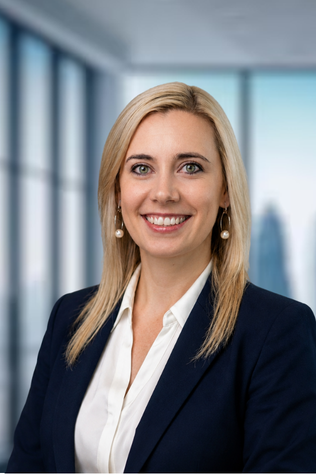


 Megan joined the Brenthurst Wealth team in March 2026 as an Administrative and Fiduciary Services Assistant at our Val de Vie Office in the Western Cape. Prior to joining Brenthurst, Megan gained three years of experience in the retail sector, where she developed management and client service skills.


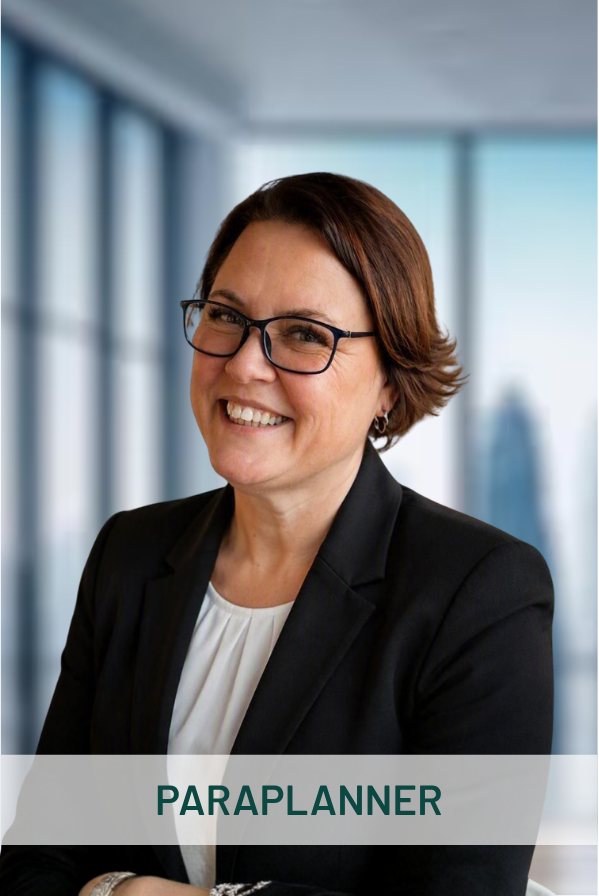
 I obtained my National Diploma in Financial Information Systems from the Cape Peninsula University of Technology in 1999 and have worked in the wealth management industry since January 2000. Over the years, I have gained extensive experience in various roles, including Portfolio Manager Assistant, Planner Assistant, and Paraplanner.
 Esmarelda Isaacs-Andreas joined the Brenthurst Wealth Stellenbosch office in October 2025, taking on the dual role of Receptionist and Fiduciary Administrator.
 I obtained my National Diploma in Financial Information Systems from the Cape Peninsula University of Technology in 1999 and have worked in the wealth management industry since January 2000. Over the years, I have gained extensive experience in various roles, including Portfolio Manager Assistant, Planner Assistant, and Paraplanner.
 Ashley joined Brenthurst Wealth in January 2025 as Office Administrative Assistant and Receptionist for the Stellenbosch Office.


 René Heystek joined Brenthurst Wealth in November 2023, as receptionist and administrative assistant in the newly established George/Garden Route office.
 Michelle Heystek has built a career in the financial services over the last two decades, after obtaining her B.Com degree in Financial Management in 2005. Once she joined Brenthurst in 2006, she continued her academic journey, obtaining her Certificate in Wealth Management from INSETA in 2007, followed by a Postgraduate Diploma in Financial Planning from the University of the Free State. In 2008, she earned the Certified Financial Planner (CFP®) designation.


 Anelle joined Brenthurst Wealth as a Receptionist and Administrative Assistant to Brian Butchart in the Cape Town office in December 2023. She has a wealth of knowledge from working as a liaison between Financial Advisers and clients at TMA and Absa Investment Management Services (Aims) since 1998. She obtained her B. com degree from the University of Port Elizabeth in 1997.


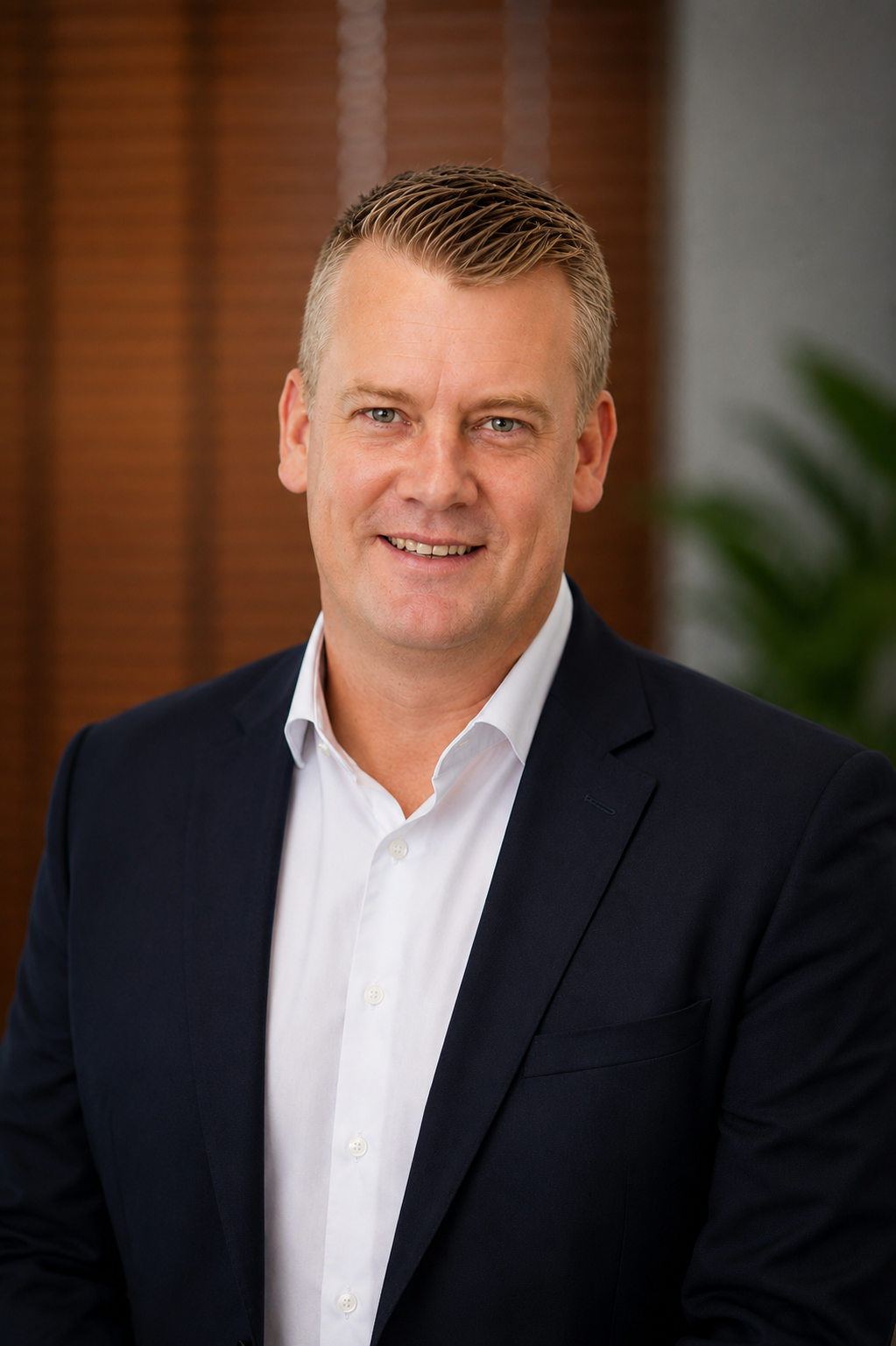
 ADMITTED ATTORNEY | FINANCIAL PLANNER & HEAD OF BRENTHURST FOURWAYS

 Sanet was appointed in April 2020, joining our Cape Town team as an Executive Administration Assistant to Renee Eagar. She has been in the financial services industry since 1990. Her previous experience includes positions at Sanlam, BJM and ABSA. She spent her last 12 years working at Alexander Forbes Private Client Wealth as a Senior Wealth Management Assistant. She has received numerous accolades over the years which include but not limited to, Alexander Forbes Client Service Excellence – Silver award in 2014,2015 and 2017. Sanet has also obtained her Certificate in Wealth Management (NQF 5) in 2012 and achieved “Best Student of the Year” from Moonstone.


 Maria Smit is a Certified Financial Planner® with over 10 years of experience in the financial planning industry.